


Reviews


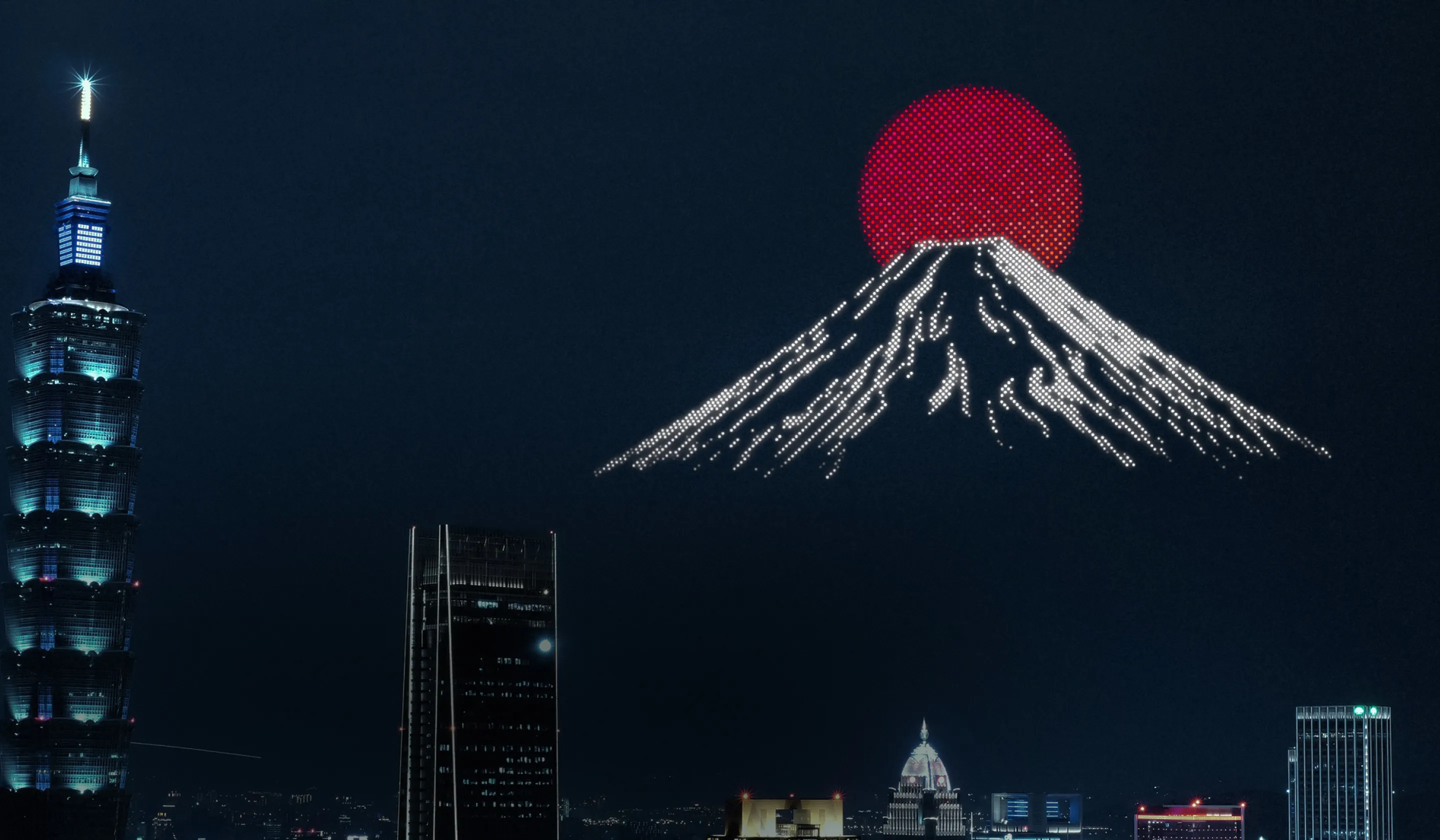
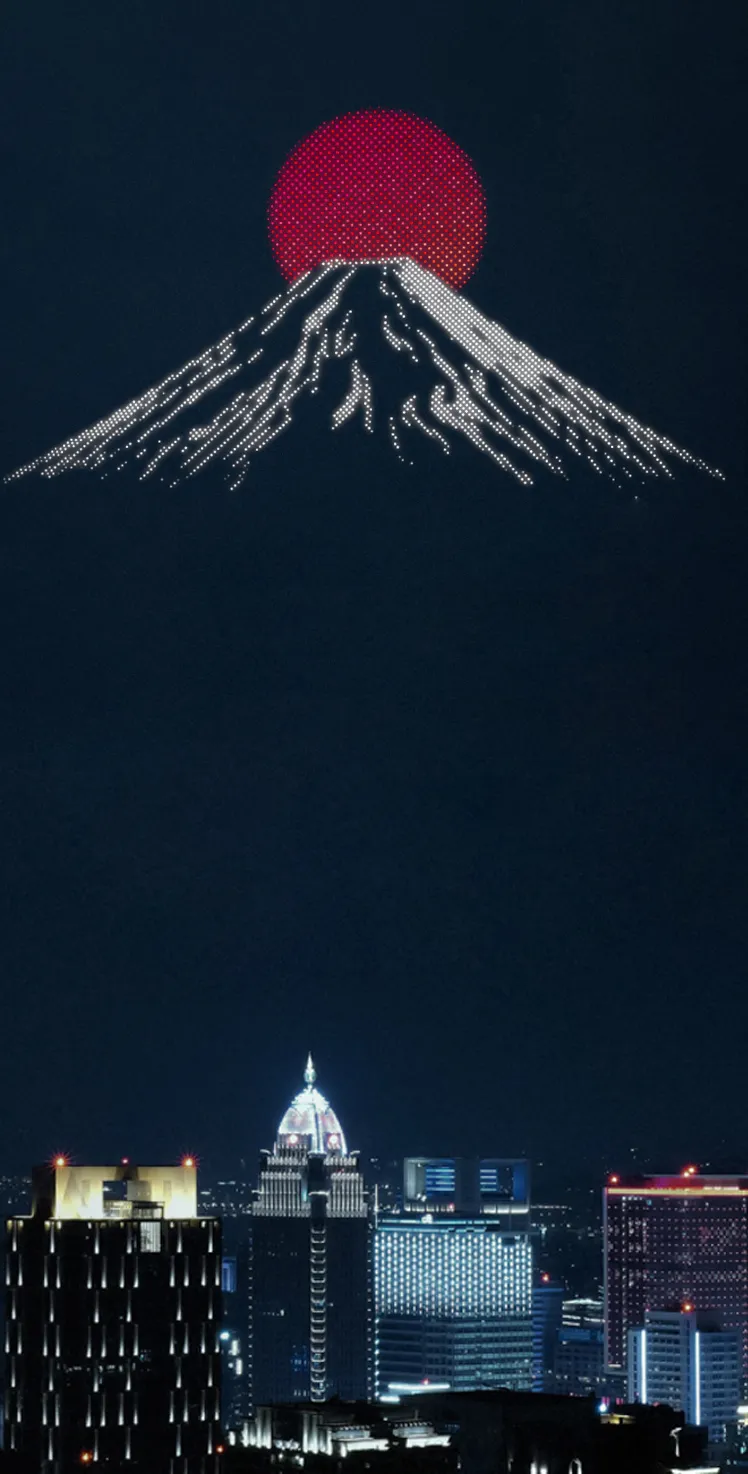
Architects of light for Japan’s skyline
Why
Cyberdrone?
Japan is a place where scenes already feel cinematic before you add anything: neon canyons in Shibuya, temple roofs against the evening sky in Kyoto, Osaka’s skyline reflected in the river, fireworks over summer matsuri, and quiet harbors lit by lanterns. Drone light shows sit on top of it, adding a new layer of choreography above the city and turning a single moment into something everyone can look up to at once.
For brands, cities and event organizers in Japan, a drone show becomes the anchor of the experience: the part of the night people wait for, film, quote in their posts and remember long after the event ends. A product reveal over Tokyo Bay, a gaming or tech conference in Osaka, a waterfront festival in Yokohama, a winter event in Sapporo or Niseko—the logic is the same: one coordinated performance in the sky that connects thousands of people through a shared visual story.
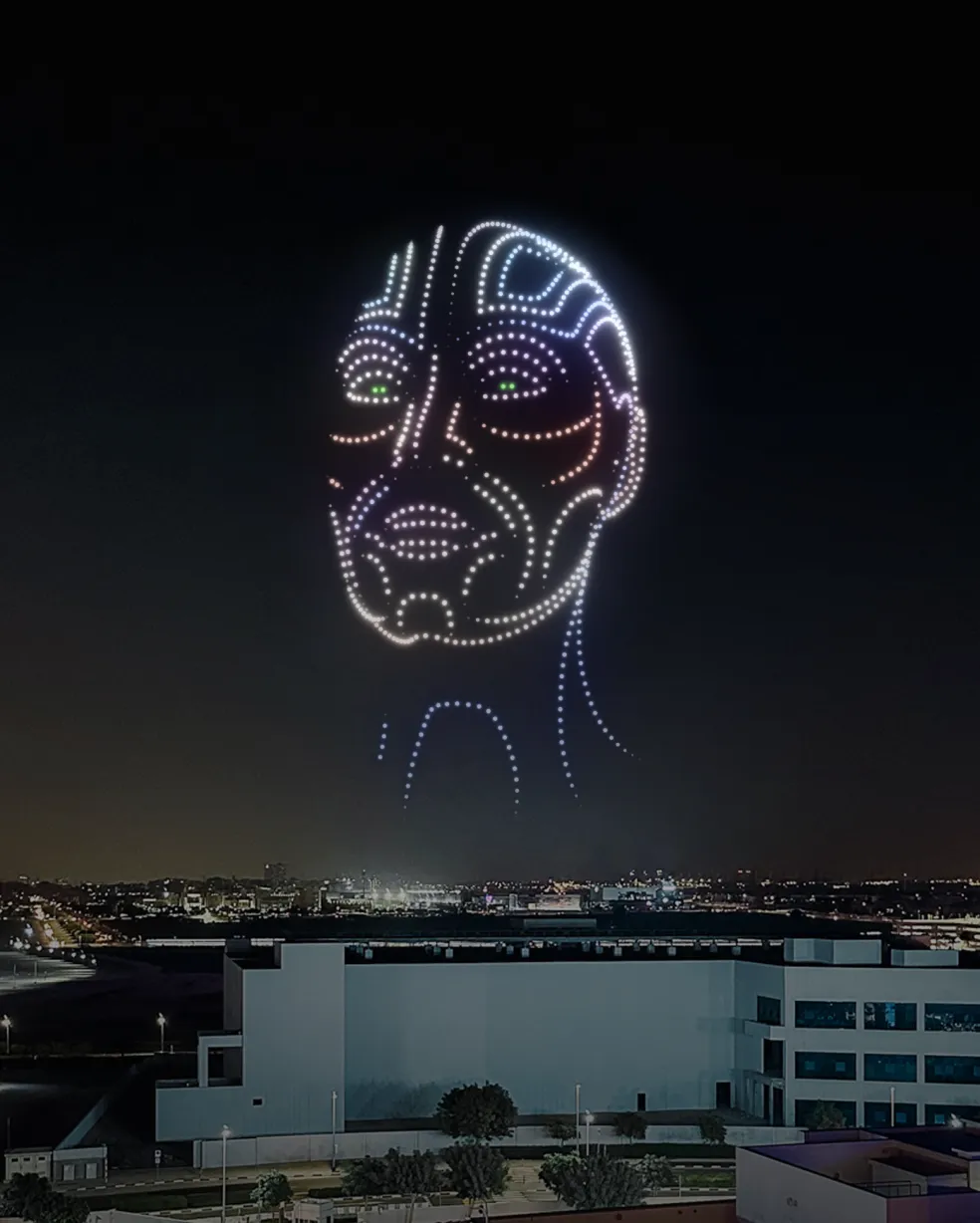
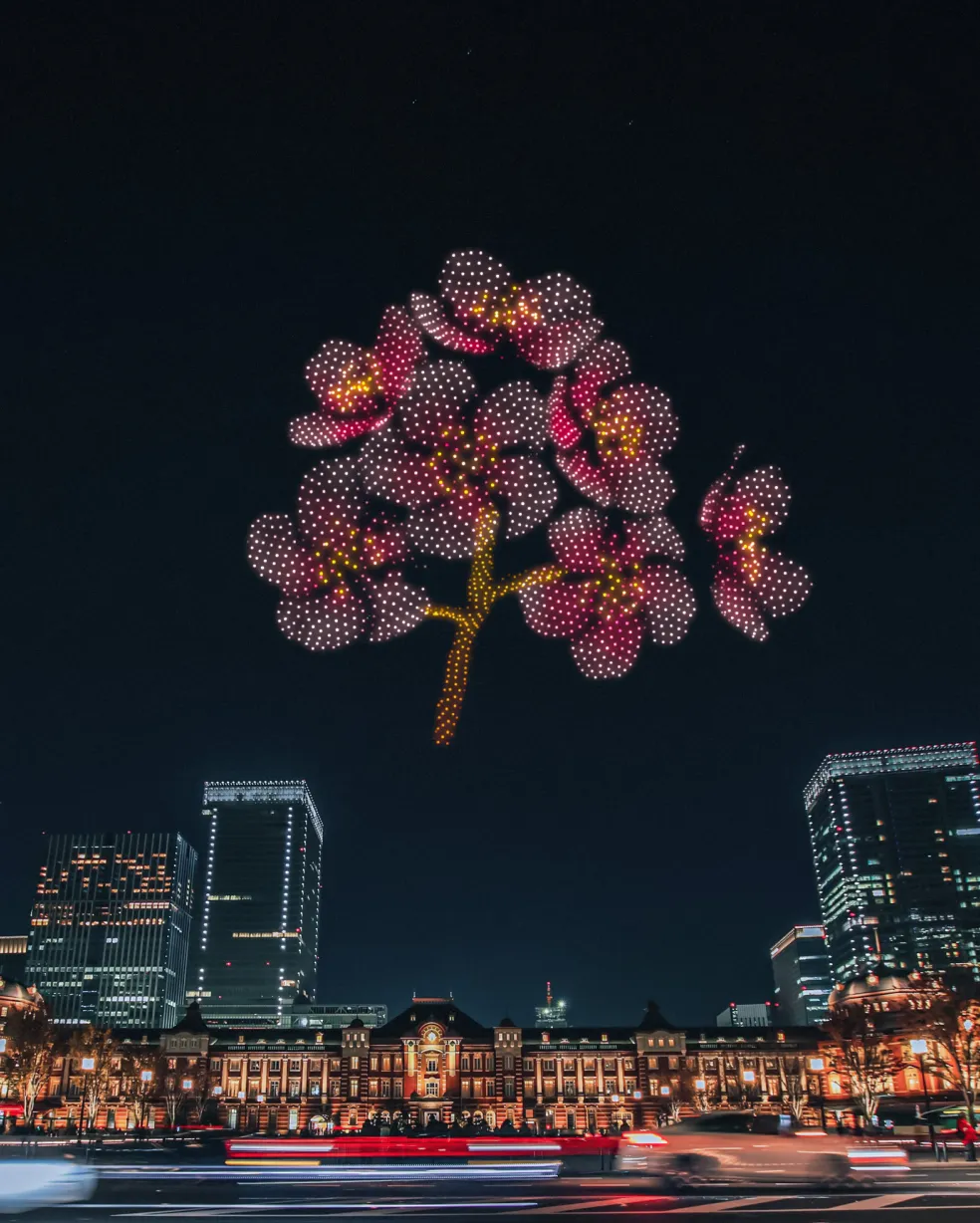
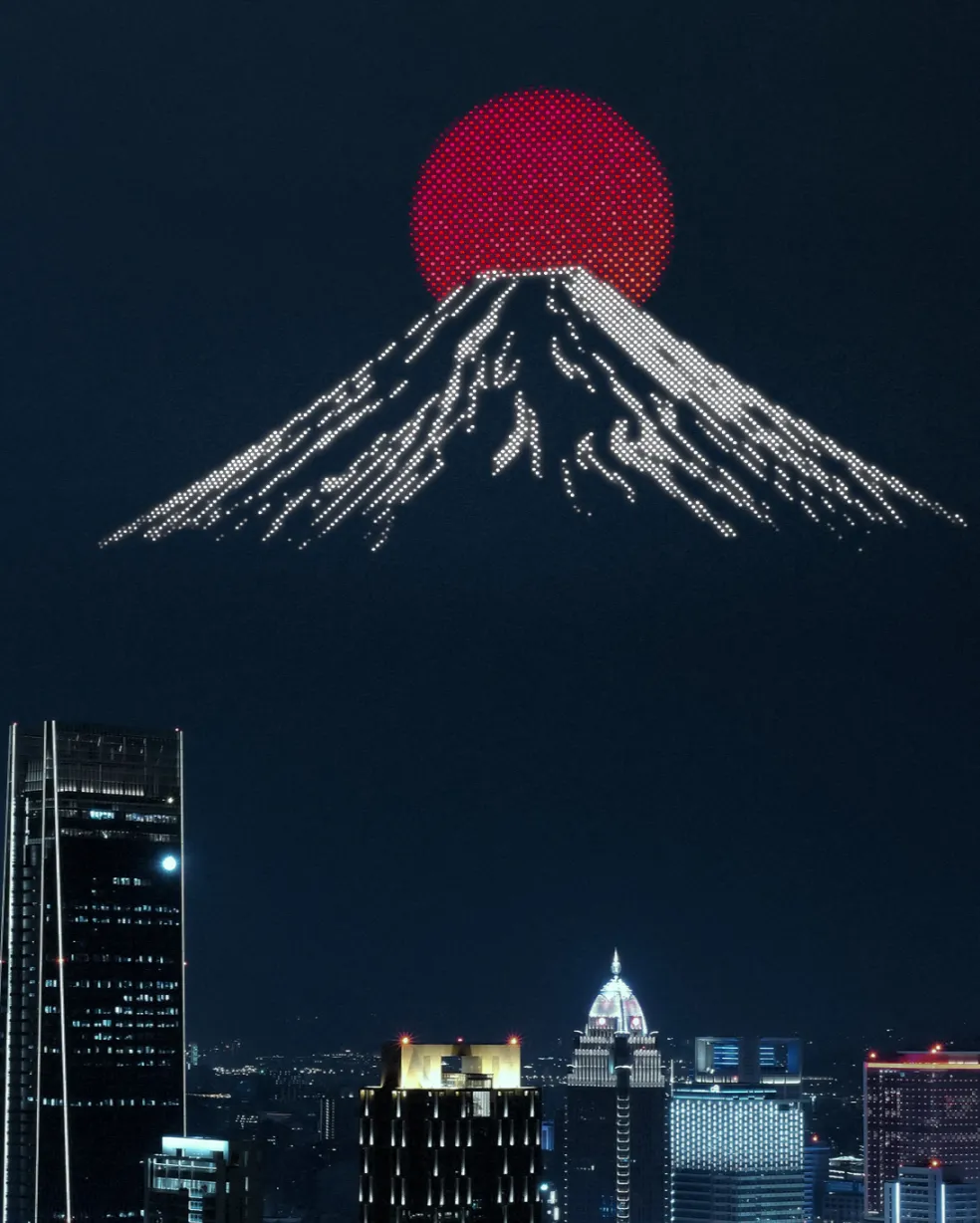
We design each show from the site outward. Viewing angles, nearby architecture, water lines, mountains, stadiums, even the way guests move through the venue — all of that shapes the figures we build. That might mean drawing a logo precisely above a corporate venue, echoing bridge lines or skylines along the bay, or creating scenes inspired by Japanese symbols, seasonal motifs and folklore for a cultural celebration. The aim is always the same: clear silhouettes, strong rhythm, and a storyline that’s easy to follow without a single word.
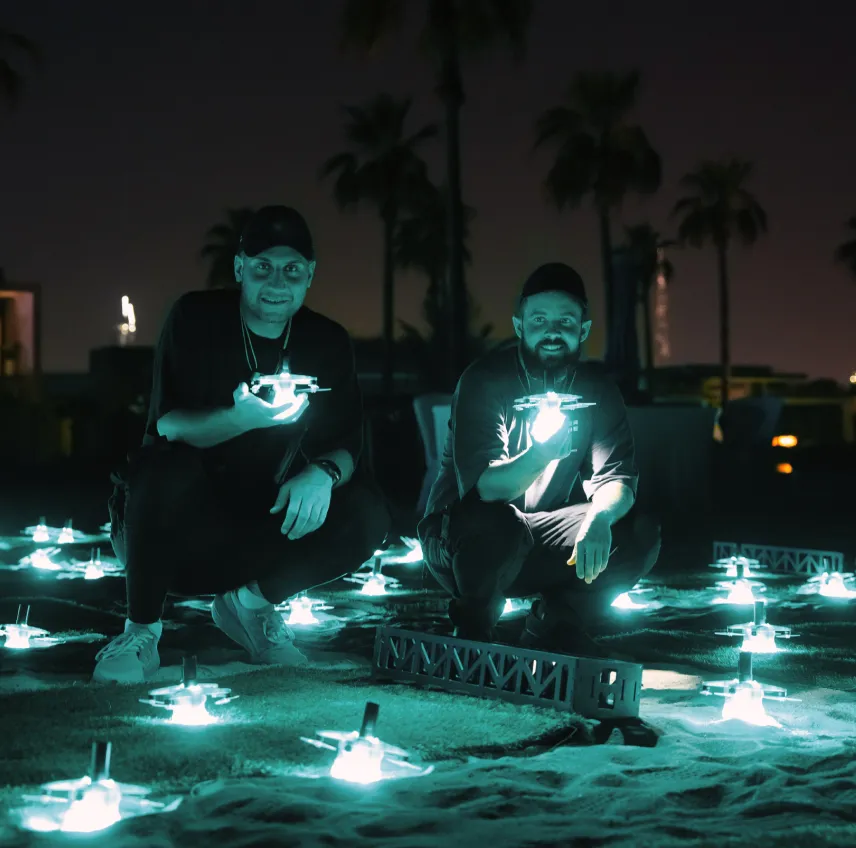
Because Cyberdrone develops its own drones, software and animations in-house, we’re not locked into off-the-shelf content. Engineers, animators and show directors work as one team, fine-tuning how every point of light moves and how it syncs with your soundtrack, timecode and show flow, whether that’s J-pop, orchestral, electronic or something completely custom. This lets us adapt quickly, respect tight timelines and deliver animations with the kind of precision Japanese audiences expect.
On the ground in Japan, we collaborate with local partners and authorities to keep things smooth and safe: from site checks, flight zones and approvals to integration with your staging, lighting and broadcast teams. Our fleet offers long flight time, high maneuverability and highly accurate positioning, so complex 2D and 3D formations remain stable even in dense urban environments. From Tokyo to Kyoto, from coastal cities to mountain resorts, Japan already has world-class stages. With Cyberdrone, those stages extend into the sky, turning your event into a story that doesn’t just unfold in front of the audience, but above them.


Working with global leaders























From concept to reality
Have a question?
Here are the answers!
What permits and documents are required to organize a drone show in Japan?

Organizing a drone light show in Japan is both an artistic and highly regulated process. Before the first point of light goes into the sky, everything starts with planning, approvals, and compliance—Japan’s aerospace rules are among the strictest in the world.
In Japan, drone operations fall under the jurisdiction of the Ministry of Land, Infrastructure, Transport and Tourism (MLIT) and its Civil Aviation Bureau (JCAB). To legally perform a drone show, organizers must obtain airspace permissions under the Civil Aeronautics Act, covering flight zones, altitudes, timing, number of drones, and safety procedures. Night flights, flights over people, and autonomous/multiple-drone operations all require explicit MLIT approval.
If the drone fleet is imported for the event, customs clearance must be arranged in advance, with technical specifications, serial lists, and documentation confirming temporary importation. Japan’s customs authorities operate with high precision, so incomplete paperwork can delay equipment at the border—early coordination is essential.
Depending on the city, additional approvals may be required from local municipalities, park or waterfront management offices, and in some cases police departments, especially when flights take place near public roads, busy districts, or dense urban environments like Tokyo, Osaka, or Yokohama. Coastal shows or events near airports, ports, or restricted zones may undergo extra scrutiny due to Japan’s layered airspace structure.
Shows near heritage or cultural sites (temples, shrines, historic districts, festival grounds) often require further coordination to ensure respect for the location and event traditions. Japan places strong emphasis on safety, harmony, and minimizing disruption to the environment and community.
While Japan does not require a unified “drone pilot license” for light shows, operators must demonstrate operational experience, strong safety management, detailed risk assessments, and third-party liability insurance. For public events, organizers are expected to provide comprehensive safety protocols, clear crowd-perimeter planning, and emergency procedures.
What are the best locations in Japan for a drone light show?
Japan offers one of the most diverse visual landscapes in the world: from neon skylines and waterfront districts to temples, mountains, and seasonal festivals. This mix of ultra-modern and deeply traditional settings makes Japan a remarkable stage for drone shows, whether for brands, cities, or cultural events.
Tokyo is the epicenter of large-scale, high-impact events. Areas such as Tokyo Bay, Odaiba, Toyosu, and Yumenoshima Park offer open waterlines and wide viewing angles perfect for tech launches, concerts, and televised moments. Rooftop venues in Shinjuku, Shibuya, or Roppongi can host more exclusive shows, though airspace approvals are tightly regulated and require early coordination with MLIT and local authorities.
Osaka, with its riverfronts and spacious event zones like Osaka Bay, Tempozan, and Nakanoshima, is ideal for festivals, gaming events, and brand activations. The city’s energetic nightlife and open urban geometry provide both atmosphere and logistical flexibility.
Yokohama’s waterfront (Minato Mirai, Red Brick Warehouse, and Yamashita Pier) offers cinematic backdrops where modern skyline, ferris wheels, and the harbor frame a drone show beautifully. It’s a prime choice for corporate shows, tourism campaigns, and holiday celebrations.
Kyoto, known for its temples and traditional districts, presents opportunities of a different kind. While shows near protected heritage areas require strict coordination with cultural authorities, nearby open spaces, riverbanks, and resort venues around Arashiyama, Kibune, or Higashiyama can host intimate, atmospheric performances that blend modern light with natural calm.
For nature-driven concepts, Hokkaido, Nagano, and Nikko offer expansive mountain landscapes perfect for winter events, luxury retreats, and outdoor festivals. The wide-open skies and clean horizons allow drone formations to appear especially crisp and three-dimensional.
Coastal destinations such as Okinawa, Atami, and the Seto Inland Sea islands provide stunning seaside settings for weddings, tourism promotions, or resort openings. The interplay of water, horizon, and reflections enhances both live viewing and photography.
Even compact spaces (rooftop terraces in Ginza, courtyards in Kanazawa, or boutique venues in Fukuoka) can be transformed into private viewing galleries. Japan’s architectural precision and lighting culture naturally complement drone shows, making them feel both modern and harmonious at any scale.
From megacities to mountain valleys, from historic districts to futuristic waterfronts, Japan offers endless possibilities.
How do you handle the language and cultural aspects when working on events in Japan?
We understand that in Japan, clear communication, cultural awareness, and attention to detail are just as important as the technical side of a drone show. That’s why we work closely with reliable local partners who assist with language, cultural expectations, venue etiquette, and coordination with authorities.
Thanks to this partnership network, communication stays smooth, nothing gets lost between teams, and every cultural nuance, from timing and symbolism to on-site behavior, is fully respected.
In short: you’ll have an international team with Japanese precision.
Is a special launch site required?
Yes. A flat, stable, debris-free area with enough space for safe takeoff, landing, and emergency procedures is mandatory. Temporary platforms can be built if needed.
How many drones can be flown at once?
The number depends on airspace restrictions, launch site size, and safety planning. Shows can scale from a few hundred drones to large formations when conditions allow. Our fleet is up tp 7,000 drones.
How can I book a drone light show for my event in Japan?
Booking a drone show in Japan with Cyberdrone is less about “ordering a service” and more about designing a precise, memorable moment together. It starts with a quick briefing: you tell us what you’re planning—a waterfront event in Tokyo Bay, a launch in Osaka, a festival in Yokohama, a luxury retreat in Hakone or Niseko—and what you want people to feel when they look up.
From there, we define the creative direction and the right scale. For weddings, private corporate events, or VIP evenings, a smaller fleet can still deliver a strong emotional peak. For festivals, large-brand campaigns, or public celebrations, we can build a large-scale drone light show in Japan with multiple scenes, smooth transitions, and 3D elements that use the skyline, water, or mountains as part of the stage. We’ll recommend the drone count and format that match your venue, objectives, and budget, so the show feels tailored, not oversized.
Next comes regulation. Japan has strict rules for drones, night flights, and events near populated or sensitive areas, and a professional drone show must respect them. We handle coordination with aviation authorities, local government, and, where needed, police and venue operators: airspace permissions, notifications, safety planning, and risk assessments. You receive a clear roadmap with key milestones and approvals.
While permits and logistics are moving forward, our in-house team works on the show itself: narrative, visual style, 3D animation, and synchronization with your music or timecode. Logos, messages, symbols, and custom figures are created specifically for your event and location—whether that means minimal, elegant geometry for a tech brand, culturally inspired motifs for a matsuri-style celebration, or story-driven scenes for a tourism or destination campaign.
On show day, our crew arrives with the full setup: drones, ground control, technicians, and pilots. We secure the launch area, run test flights, align timings with your stage, lighting, and sound teams, and then deliver the performance from first take-off to last landing. Your role at that point is simple: watch the audience as the sky becomes part of your event.
When you’re ready to take your story above the crowd in Japan, contact us via email or our website. Share your date, location, and idea, and we’ll guide it from first concept to a fully realized drone light show in the Japanese sky.
Hire a drone show
for your event
Media mentions